How TiMi Studio Group and Level Infinite turned a major technical hurdle into a new standard for global esports
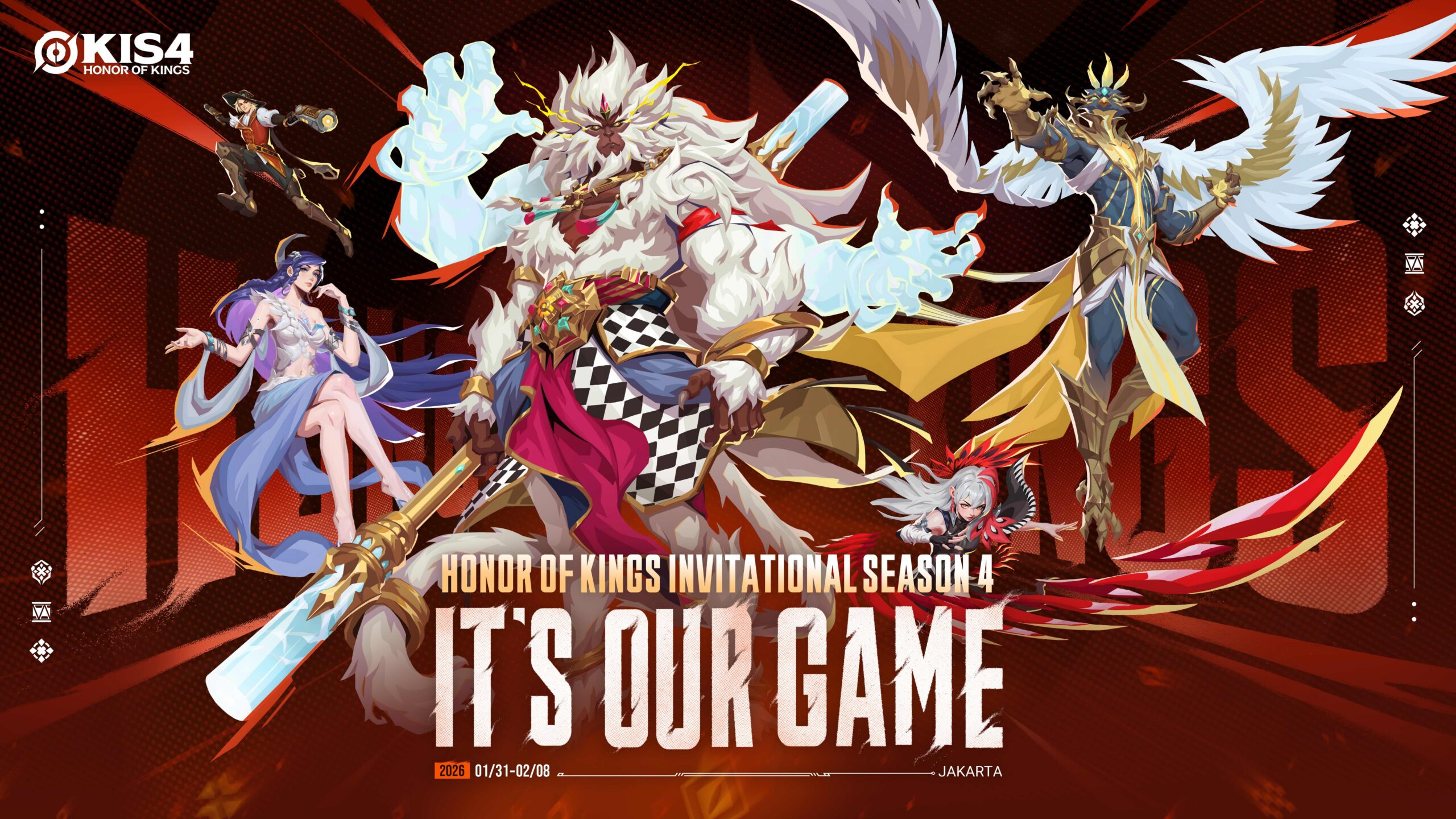
Ten players fell to Tempest Dragon in the deciding Game 5 at the Honor of Kings International Championship. The arena was deafening. Casters crush team fights in real-time. But when the broadcast was shown on screens in Sao Paulo, Riyadh, or Jakarta, the drama was translated and the words were not translated. Viewers can read cooldowns and positioning, but without commentary in the language they speak, the tension is lost in an instant.
For TiMi, going global means fixing this problem. The team knows that the Honor of Kings community is now widespread 696,000 Simultaneous viewers, according to statistics from Esports Charts, require broadcasts that feel local, wherever the viewer is located.
The traditional fix in esports broadcasting is violence. You hire separate commentary teams for each language, set up parallel audio feeds, and accept that you can only cover some territories. Even the best casters can’t keep up with a tournament that wants to be present in a dozen markets at once, and any fan whose language isn’t on the short list will be watching a different, more sedate version of the game.
TiMi needed something that could grow with its audience: every time Honor of Kings opened a new market, its broadcasts had to be ready to speak the language of that market as well. This is where data engineer Xia Guanghui and the IgniteX team from Level Infinite come into play. Together they build a possible AI-based localization pathway Honor of Kings broadcast live events with real-time subtitle translation in up to 12 languages at once. Huge technical challenges are now the new standard for global esports.
Broadcast Congestion
“I myself am a big fan of esports,” said Xia. “When I used to watch tournaments abroad, the live broadcast was rarely in my local language. Sometimes I had to guess what the casters were analyzing just by looking at the screen.”
When Honor of Kings is starting to accelerate its global impact, so this problem is getting bigger. Running dedicated native speaker commentary streams for each language means coordinating broadcaster schedules and routing complex audio feeds. In practice, this limits the number of regions that can watch the match in their own language. As the global community grows, broadcasting must also evolve, ready to welcome each new market in the languages spoken by its fans.
The engineering team realized that if they combined TiMi’s deep gaming knowledge with a customized AI model, they could solve the problem at its roots. Currently, for major events such as the King Pro League Grand Finals, the system translates original Chinese commentary directly into Indonesian, Malaysian, Portuguese and Filipino. For the highest level of global competition, Honor of Kings International Championships (KIC), the channel takes the English broadcast feed and simultaneously produces live subtitles in German, French, Japanese, Russian, Turkish, Burmese and Bengali.
The aim is not to replace top level human casters for UK or local mainstream feeds. The goal is to ensure that whatever language fans speak, they can understand the tactical details of a match.
15 Seconds from Microphone to Screen
Esports live broadcasts are unforgiving. There isn’t a second to spare, and the action moves at top speed. To make AI localization work, the team had to compress a very complex pipeline into a small window.
When the live broadcast leaves the tournament venue, a translation channel separates the audio from the video. An AI-powered localization system then isolates the broadcasters’ voices, transcribes their speech, and routes it through a special translation engine. Once translated, a custom feed is created, synced back to the live video, and sent to platforms like YouTube, Twitch, and TikTok.
The entire process from the speaker speaking into the microphone to the translated text appearing on a fan’s screen on the other side of the world takes less than 15 seconds.
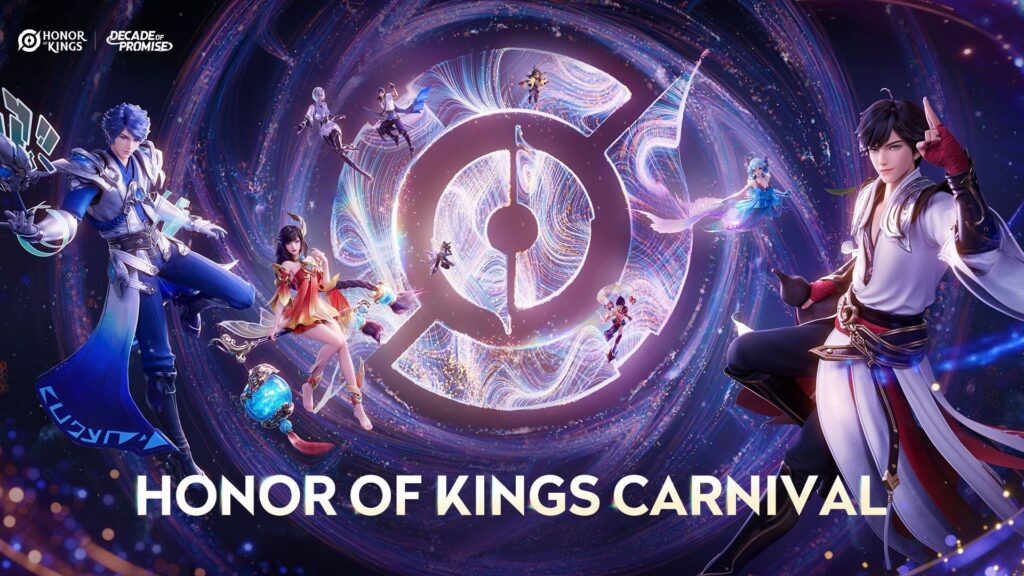
He also handles special cases. As long as it’s massive Honor of Kings 2025 Anniversary Co-Creation Night—a five-hour, non-stop live marathon—the team proved that the system is not just a translation machine; this is a broadcast level control room. The channel dynamically switches subtitle modes on the fly: bilingual subtitles run during host segments and sponsor readings, English subtitles play under Chinese opera, rap performances and stage plays.
The Human Touch in AI Channels
AI translation tools struggle with gaming terminology in general. Direct machine translation of MOBA slang is usually unreadable. To fix this, the tech team makes continuous, massive updates Honor of Kings library.
Before the new language was implemented, the localization team spent weeks perfecting the system. They provide AI-specific hero names, skill descriptions, and even regional esports slang. But the real magic happened during the broadcast.
Even though the 15-second channel is completely automated, human experts still monitor its progress. Local linguists and gaming experts monitored the live broadcast. If a spellcaster uses a new slang term, or if the AI mistranslates a different tactical phrase, experts will flag it. Engineers immediately update the backend database, allowing the AI to learn and improve itself in real-time while the game is still being played.
Next Chapter: Finding Voice
The system’s debut at the 2025 Anniversary event last October was a massive stress test, but it worked. Fans watching on YouTube and TikTok immediately praised the accuracy of the subtitles. The channel was subsequently launched for the KPL Finals, Esports World Cup (EWC), and Challenger Cup, opening up matches to fans in more markets while giving every viewer the same experience of following tactical details in real-time.
But subtitles are just the beginning.
“Texts can tell you what’s going on, but they can’t convey emotion,” Xia said. “When a caster shouts out an amazing play, reading the word ‘amazing’ doesn’t give you the same experience as hearing it.”
The team is working on the next evolution: AI Text-to-Speech (TTS) commentators. By converting real-time translation back into emotionally resonant local audio, TiMi aims to provide global fans with the same adrenaline rush as the home audience.
Honor of Kings not only expanding its server footprint. They learn to speak the language of their players, wherever they are.
This linguistic leap came just in time for the next big competitive stage in the game. From June 13 to 21, Kuala Lumpur, Malaysia, will host the 2026 Asian Games Esports Qualifiers: Honor of Kings. There, 20 teams will compete for a spot at the 20th Asian Games in Nagoya, Japan in September, joining countries that qualified directly such as China, Malaysia and Thailand. For fans tuning in globally, the new broadcast channel ensures that whoever is holding the microphone, the tactical details will be heard loud and clear.
Frequently Asked Questions
What is a big international event for? Honor of Kings global player?
global Honor of Kings The ecosystem features major events such as KIC, regional KPL Finals, and spectacular community milestones such as the 2025 Anniversary Co-Creation Night. These events are broadcast live to viewers around the world.
How will TiMi improve the global broadcast experience for HOK fans?
To ensure international fans can remain immersed in every tactical analysis and thrill of massive team fights, TiMi developed an AI-based localization pipeline. The system translates live broadcaster commentary into 12 languages simultaneously, delivering local subtitles in real-time to viewers’ screens during live streaming.
What’s the next step for? Honor of Kings esports broadcasting technology?
Although real-time translated subtitles have managed to overcome the language barrier, text alone cannot fully capture the raw emotion of a live match. The IgniteX team is actively developing AI Text-to-Speech (TTS) commentators. This next evolution aims to turn real-time translation back into localized, emotionally resonant audio, giving international fans the same adrenaline rush as the home audience.
This story is part of The Engine Behind the Epic, a new Infinite Level feature series uncovering the unsung heroes that power our partner studios. From technical infrastructure to global marketing, we highlight the teams and tools that help games thrive on the global stage. Stay tuned for an in-depth look at the people building the future of gaming.
PakarPBN
A Private Blog Network (PBN) is a collection of websites that are controlled by a single individual or organization and used primarily to build backlinks to a “money site” in order to influence its ranking in search engines such as Google. The core idea behind a PBN is based on the importance of backlinks in Google’s ranking algorithm. Since Google views backlinks as signals of authority and trust, some website owners attempt to artificially create these signals through a controlled network of sites.
In a typical PBN setup, the owner acquires expired or aged domains that already have existing authority, backlinks, and history. These domains are rebuilt with new content and hosted separately, often using different IP addresses, hosting providers, themes, and ownership details to make them appear unrelated. Within the content published on these sites, links are strategically placed that point to the main website the owner wants to rank higher. By doing this, the owner attempts to pass link equity (also known as “link juice”) from the PBN sites to the target website.
The purpose of a PBN is to give the impression that the target website is naturally earning links from multiple independent sources. If done effectively, this can temporarily improve keyword rankings, increase organic visibility, and drive more traffic from search results.